
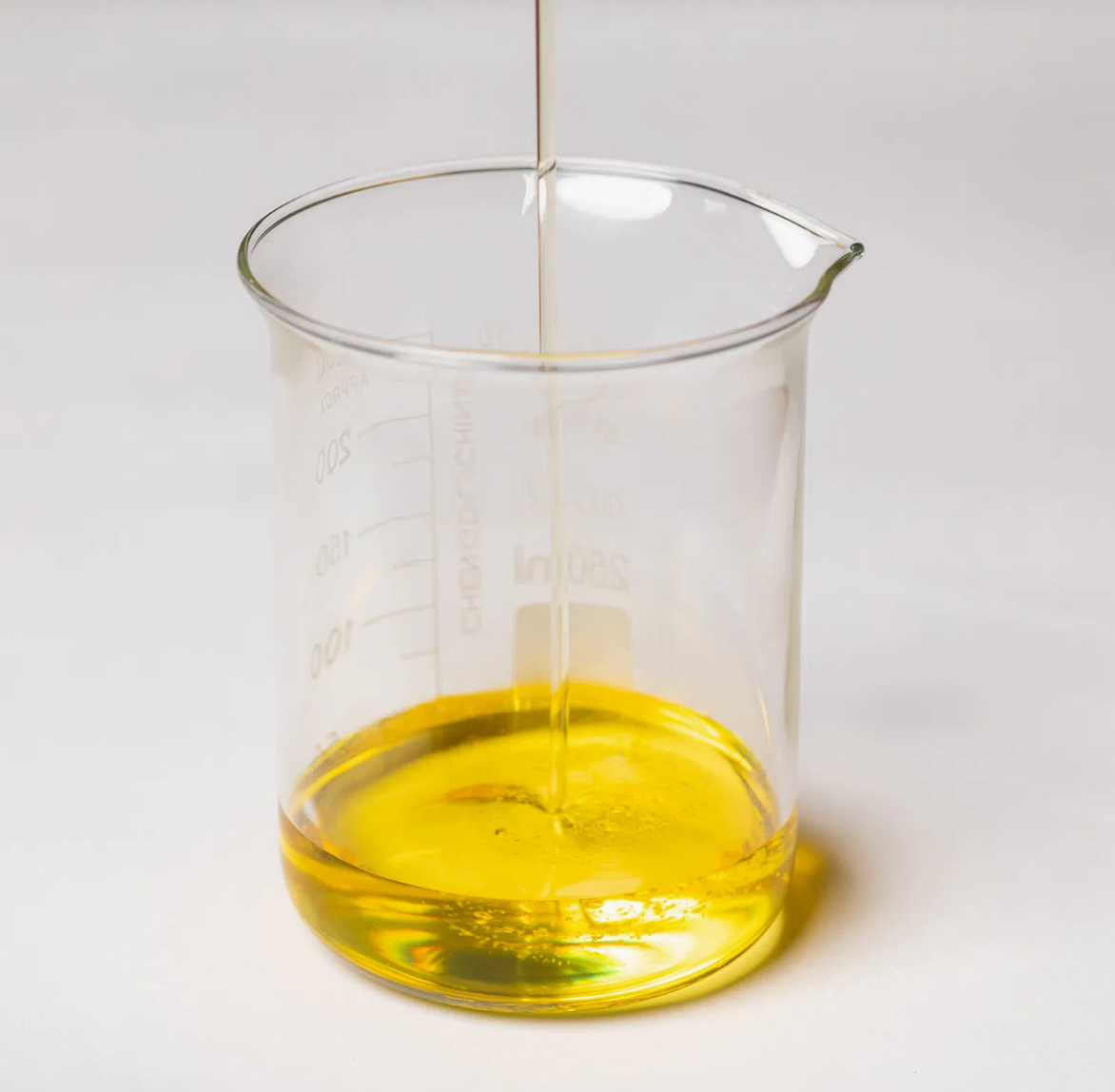
In the vast realm of organic chemistry, certain compounds stand out due to their unique structures, versatile applications, and scientific significance. One such compound is Ethyl 3-oxo-4-phenylbutanoate. Known for its distinctive chemical properties and potential industrial uses, this compound has garnered attention among chemists, researchers, and industrial manufacturers alike.
This comprehensive guide aims to provide an in-depth understanding of Ethyl 3-oxo-4-phenylbutanoate, exploring its chemical structure, synthesis methods, applications, safety considerations, and how it fits into the broader landscape of chemical manufacturing and research. Whether you’re a seasoned chemist, a researcher exploring new compounds, or a manufacturer seeking raw materials, this article offers valuable insights.
1. What is Ethyl 3-oxo-4-phenylbutanoate?
Ethyl 3-oxo-4-phenylbutanoate is an organic ester compound characterized by its aromatic phenyl group and ketone functionality within a butanoate backbone. It belongs to the class of ethyl esters of keto acids, often used as intermediates in organic synthesis.
Key Highlights:
- Chemical Formula: C_14H_16O_3
- Molecular Weight: Approximately 228.28 g/mol
- CAS Number: 718-08-1
- Appearance: Typically a colorless to pale yellow liquid or crystalline solid
This compound is primarily valued for its reactivity, serving as a precursor or intermediate in the synthesis of more complex molecules.
2. Chemical Structure and Properties
Understanding the chemical structure of Ethyl 3-oxo-4-phenylbutanoate is essential for grasping its reactivity and potential applications.
Structural Features:
- Phenyl Group (C6H5): Attached at the 4-position, providing aromatic stability and reactivity.
- Ketone Group (3-oxo): Located at the 3-position, facilitating various chemical transformations.
- Ethyl Ester: The ester functional group enhances solubility and reactivity.
Physical and Chemical Properties:
| Property | Description |
|---|---|
| Melting Point | Typically ranges between 50°C – 60°C |
| Boiling Point | Approximately 300°C under reduced pressure |
| Solubility | Soluble in organic solvents like ethanol, acetone, and chloroform |
| Stability | Stable under normal laboratory conditions, but sensitive to hydrolysis |
Reactivity:
- The ketone functionality allows for nucleophilic additions.
- The ester group can undergo hydrolysis, transesterification, or reduction.
- The phenyl ring offers sites for electrophilic substitution reactions.
3. Synthesis of Ethyl 3-oxo-4-phenylbutanoate
The synthesis pathway of Ethyl 3-oxo-4-phenylbutanoate typically involves multi-step organic reactions, often utilizing readily available aromatic compounds and keto precursors.
Common Synthesis Routes:
Route 1: Claisen Condensation
- Starting Materials: Ethyl acetate and benzaldehyde
- Process: A Claisen condensation between ethyl acetate and benzaldehyde, followed by oxidation and esterification to obtain the target compound.
Route 2: Friedel-Crafts Acylation
- Starting Materials: Benzene derivatives and acyl chlorides
- Process: Friedel-Crafts acylation to introduce the phenyl group, followed by oxidation and esterification steps.
Route 3: Multi-step Organic Synthesis
- Employing intermediate compounds, such as keto acids, which are then esterified and functionalized to produce Ethyl 3-oxo-4-phenylbutanoate.
Synthesis Considerations:
- Purity of starting materials
- Reaction conditions (temperature, catalysts)
- Purification techniques (distillation, recrystallization)
4. Industrial Applications and Uses
Ethyl 3-oxo-4-phenylbutanoate holds significant importance in various industrial sectors owing to its chemical reactivity and structural features.
Key Applications:
a. Pharmaceutical Industry
- Used as an intermediate in the synthesis of pharmaceutical compounds, especially in the development of drugs related to cardiovascular health, anti-inflammatory agents, and other therapeutic molecules.
b. Organic Synthesis
- Serves as a precursor for synthesizing complex organic molecules.
- Enables the formation of heterocyclic compounds through various reactions.
c. Material Science
- Potentially used in the development of novel polymers and resins with specific properties.
d. Flavor and Fragrance Industry
- Derivatives of Ethyl 3-oxo-4-phenylbutanoate may be employed in flavoring agents and fragrances due to their aromatic nature.
Emerging Uses:
- Research into bio-based derivatives and green chemistry applications is ongoing, with potential for sustainable manufacturing processes.
5. Role in Pharmaceutical and Chemical Research
In the realm of scientific research, Ethyl 3-oxo-4-phenylbutanoate is valued for its versatility as an intermediate.
Research Highlights:
- Drug Design: Its structural features facilitate modifications leading to active pharmaceutical ingredients (APIs).
- Medicinal Chemistry: Studied for potential biological activities, including enzyme inhibition and receptor binding.
- Organic Reaction Mechanisms: Serves as a model compound in studying nucleophilic addition, condensation, and oxidation reactions.
Notable Studies:
- Investigations into derivatives for anti-inflammatory and anti-cancer properties.
- Use in the development of enzyme inhibitors for targeted therapies.
6. Safety, Handling, and Storage
Proper handling and storage of Ethyl 3-oxo-4-phenylbutanoate are paramount to ensure safety and maintain compound integrity.
Safety Precautions:
- Use in a well-ventilated laboratory with appropriate PPE (gloves, goggles, lab coat).
- Avoid inhalation, ingestion, or skin contact.
- Handle with care to prevent spills and accidents.
Storage Guidelines:
- Store in airtight containers away from heat, light, and moisture.
- Keep in a cool, dry place, preferably in a chemical storage cabinet.
Toxicity:
- Limited data; assume similar to other esters and keto compounds.
- Consult Material Safety Data Sheets (MSDS) for detailed safety information.
7. Market Overview and Availability
The demand for Ethyl 3-oxo-4-phenylbutanoate is driven by its applications in pharmaceuticals, research, and chemical manufacturing.
Market Trends:
- Increasing investment in pharmaceutical R&D boosts demand.
- Growing interest in sustainable and green chemistry drives innovation.
Suppliers and Sources:
- Chemical raw material suppliers worldwide.
- Sourced from reputable manufacturers, such as those listed on Bmk oil for sale.
Purchasing Considerations:
- Ensure purity level (analytical grade preferred for research).
- Verify supplier certifications and compliance standards.
8. How to Source Ethyl 3-oxo-4-phenylbutanoate
When sourcing this compound, consider the following:
- Supplier Reputation: Buy from well-established chemical suppliers.
- Purity Certification: Obtain analytical reports confirming purity.
- Pricing and Delivery: Request quotes and delivery timelines.
- Custom Synthesis: For large quantities, consider custom synthesis options.
Tip: Always verify compliance with local regulations and safety standards before purchase and use.
9. Frequently Asked Questions (FAQs)
Q1: What are the main applications of Ethyl 3-oxo-4-phenylbutanoate?
A: Its primary applications include serving as an intermediate in pharmaceutical synthesis, organic chemistry research, and potential uses in material science.
Q2: Is Ethyl 3-oxo-4-phenylbutanoate safe to handle?
A: With proper safety measures, handling is safe. Always follow safety data sheets and wear appropriate PPE.
Q3: How is Ethyl 3-oxo-4-phenylbutanoate synthesized?
A: Typically through multi-step organic reactions such as Claisen condensation, Friedel-Crafts acylation, and esterification.
Q4: Where can I buy Ethyl 3-oxo-4-phenylbutanoate?
A: It can be sourced from chemical suppliers, research chemical vendors, and companies specializing in oil and chemical products like bmk-oil.com.
Q5: What are the safety considerations for storage?
A: Store in cool, dry, airtight containers, away from heat and moisture, and handle with appropriate PPE.
10. Feedback and User Insights
Your feedback is valuable in advancing understanding and improving the dissemination of knowledge about Ethyl 3-oxo-4-phenylbutanoate. If you have experience synthesizing or utilizing this compound, please share your insights.
Questions for users:
- Have you used Ethyl 3-oxo-4-phenylbutanoate in your research or manufacturing processes?
- What challenges have you faced in sourcing or handling this compound?
- Are there specific applications or derivatives you’re interested in exploring?
Your experiences can help others in the scientific community make informed decisions.
11. Conclusion
Ethyl 3-oxo-4-phenylbutanoate is a noteworthy compound in the landscape of organic chemistry and chemical manufacturing. Its structural versatility, reactivity, and potential applications in pharmaceuticals, research, and industry make it an important subject of study and utilization.
As the demand for advanced chemical intermediates continues to grow, understanding the properties, synthesis, and applications of compounds like Ethyl 3-oxo-4-phenylbutanoate becomes vital for chemists and industry professionals alike. Proper sourcing, handling, and application can unlock its full potential in innovative projects and manufacturing processes.
12. References
- [Chemical suppliers and product datasheets]
- [Research articles on keto esters and their applications]
- [Industry reports on chemical market trends]
- [Material Safety Data Sheets (MSDS) for related compounds]
- [Official chemical safety and handling guidelines]
Note: For further inquiries or to source high-quality Ethyl 3-oxo-4-phenylbutanoate, visit bmk oil or contact reputable chemical suppliers directly.