
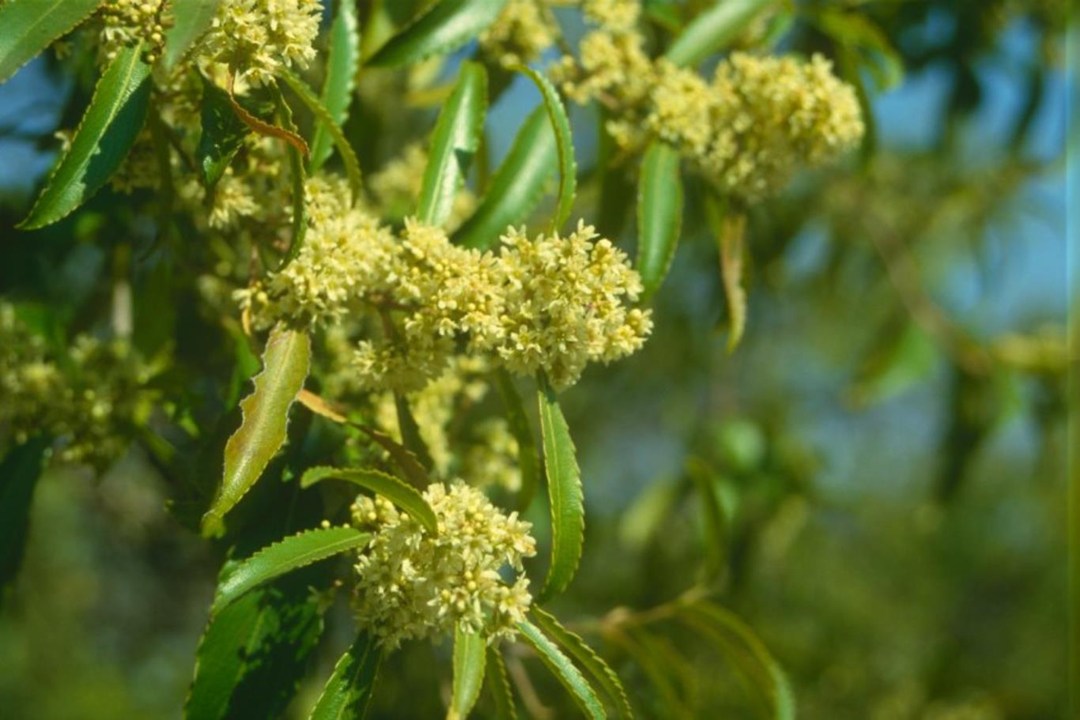
In recent years, Catha Edulis, commonly known as Khat or Qat, has gained significant attention in agricultural circles and commercial markets worldwide. As a lucrative crop with high demand in certain regions, Khat cultivation presents promising opportunities for farmers, entrepreneurs, and investors. This comprehensive guide aims to provide an in-depth understanding of Catha Edulis farming, including practical tips, expert insights, benefits, common challenges, and solutions. Whether you are a seasoned farmer or a newcomer exploring agricultural ventures, this article equips you with the knowledge to succeed in Khat cultivation.
What is Catha Edulis (Khat)?
Catha Edulis is a flowering evergreen shrub native to the Horn of Africa and the Arabian Peninsula. It is traditionally chewed for its stimulant effects, which are due to the presence of alkaloids such as cathinone and cathine. Khat leaves contain psychoactive properties that produce feelings of euphoria, increased alertness, and enhanced sociability.
Key facts about Khat:

- Botanical name: Catha Edulis
- Common names: Khat, Qat, Miraa (Kenya), Chat (Ethiopia)
- Growth regions: Ethiopia, Yemen, Somalia, Kenya, Saudi Arabia
- Harvesting: Leaves are usually harvested young and fresh for maximum potency
- Uses: Chewing, traditional medicine, export commodity
The Growing Popularity of Khat Farming
Khat cultivation has become increasingly vital for farmers in regions where its demand is high. It serves as an alternative cash crop, often more profitable than traditional staples like maize or wheat. Countries like Ethiopia and Yemen have developed extensive Khat farming industries, exporting large quantities to international markets.
Why is Khat farming gaining popularity?
- High market demand domestically and internationally
- Relatively short growth cycle (about 1-2 years)
- High profit margins with proper management
- Growing consumer base in Africa, the Middle East, and beyond
Benefits of Catha Edulis Farming
1. High Income Potential
Khat’s demand ensures lucrative returns, especially when cultivated in optimal conditions and sold to established markets. Farmers can realize significant profits per hectare, making it an attractive cash crop.
2. Short Harvest Cycle
Compared to many perennial crops, Khat can be harvested within 1-2 years, enabling quick cash flow and rapid return on investment.
3. Adaptability to Various Climates
Khat is adaptable to different climatic zones, particularly semi-arid and subtropical regions, making it suitable for diverse farming environments.
4. Export Opportunities
With increasing global demand, especially in Middle Eastern countries, farmers have the chance to export Khat directly or through intermediaries, opening international markets.
5. Employment Generation
Khat farming supports local employment in farming, harvesting, processing, and transportation sectors, contributing to rural development.
Challenges in Catha Edulis Farming
While Khat cultivation offers numerous benefits, it also presents specific challenges:
- Legal Restrictions: Some countries have regulations or bans on Khat due to its psychoactive effects.
- Market Fluctuations: Prices can vary based on demand, competition, and government policies.
- Pest and Disease Management: Like other crops, Khat is susceptible to pests and diseases that require effective control.
- Water Management: Ensuring adequate irrigation can be challenging in dry regions.
- Sustainability Concerns: Over-cultivation may lead to environmental degradation, necessitating sustainable farming practices.
Step-by-Step Guide to Catha Edulis Farming
1. Site Selection and Land Preparation
Choosing the right land is critical. Khat thrives in semi-arid and subtropical climates with well-drained soil. Select a site with good sunlight exposure and access to water sources.
- Conduct soil testing to determine pH (preferably 6.0-7.5)
- Clear the land of weeds and debris
- Prepare the soil by plowing and adding organic manure to improve fertility
2. Propagation Methods
Khat can be propagated through:
- Seeds: Although less common due to slow germination
- Cuttings: More preferred for uniformity and faster growth
- Grafting: Used by advanced farmers for disease resistance
Using healthy, disease-free cuttings from mature plants ensures better growth and yields.
3. Planting Techniques
- Plant cuttings or seedlings at a spacing of approximately 2-3 meters apart
- Ensure proper planting depth to support root development
- Water immediately after planting to help establishment
4. Irrigation and Water Management
Khat requires consistent moisture, especially during dry seasons.
- Use drip irrigation for water efficiency
- Schedule watering based on weather conditions
- Avoid waterlogging, which can cause root rot
5. Fertilization and Nutrient Management
- Apply organic compost and manure regularly
- Use nitrogen, phosphorus, and potassium fertilizers as needed
- Conduct soil tests periodically to adjust nutrient application
6. Pest and Disease Control
Common pests include aphids, mealybugs, and caterpillars.
- Use integrated pest management (IPM) strategies
- Employ biological control agents where possible
- Apply suitable pesticides following safety guidelines
7. Pruning and Harvesting
- Regular pruning promotes healthy growth and leaf production
- Harvest leaves when young, tender, and before flowering for maximum alkaloid content
- Typically, harvesting begins after 12-18 months
8. Post-Harvest Handling
- Fresh leaves should be processed quickly to preserve potency
- Proper drying and storage are essential for export quality
- Packaging should comply with market standards
Market Analysis and Selling Strategies
Understanding the market dynamics is crucial for maximizing profits.
- Identify reliable buyers, exporters, or local markets
- Establish direct export channels to reduce middlemen costs
- Obtain necessary certifications and quality standards
- Diversify markets by exploring both domestic and international opportunities
Legal and Ethical Considerations
Given the psychoactive nature of Khat, it’s vital to stay compliant with local and international laws.
- Check the legality of Khat cultivation in your region
- Obtain necessary permits and licenses
- Promote ethical farming practices and community engagement
Practical Tips for Successful Catha Edulis Farming
- Invest in quality seeds or cuttings from reputable sources
- Use sustainable farming practices to protect the environment
- Diversify income streams by processing Khat into other products
- Keep detailed records of farm activities and sales
- Network with industry experts and join agricultural cooperatives
Common Questions About Catha Edulis Farming
Q1: Is Khat farming profitable in arid regions?
A: Yes, especially with efficient irrigation and proper management. Its adaptability to semi-arid zones makes it a viable crop.
Q2: What are the environmental impacts of Khat cultivation?
A: Over-cultivation can lead to soil degradation and water depletion. Sustainable practices, such as crop rotation and organic farming, help mitigate these issues.
Q3: How can I access markets for Khat?
A: Building relationships with local traders, exporters, and establishing direct links with international buyers are effective strategies.
Q4: Are there health risks associated with Khat farming?
A: The primary health concern relates to the psychoactive effects of Khat for consumers. Farmers should adhere to legal standards to avoid legal and health complications.
Final Thoughts: Is Catha Edulis Farming Right for You?
Khat cultivation offers promising economic benefits, especially in regions where demand is high. However, success depends on proper farm management, understanding market trends, and compliance with legal standards. With strategic planning and sustainable practices, Catha Edulis farming can become a profitable and rewarding venture.
Additional Resources
- Khat Edulis Farming
- Local agricultural extension offices
- International trade organizations specializing in herbal and traditional crops
- Agricultural research institutions
Feedback and Engagement
Have you tried Khat farming? Share your experiences, challenges, or questions in the comments below. Your insights can help fellow farmers and entrepreneurs navigate the exciting world of Catha Edulis cultivation.
Disclaimer: Always verify the legal status of Khat cultivation in your region before commencing farming activities.