
In the world of organic chemistry and industrial applications, compounds like Ethyl Phenylacetate play a vital role across various sectors. Whether you’re a chemist, a manufacturer, or a curious enthusiast, understanding what Ethyl Phenylacetate is, its properties, uses, and significance can provide valuable insights into its importance in modern industry.
Introduction
Ethyl Phenylacetate is a noteworthy organic ester with a distinctive aroma and versatile applications. Its chemical structure and properties make it a crucial compound in the fragrance, flavor, pharmaceutical, and chemical manufacturing industries. This guide aims to explore everything you need to know about Ethyl Phenylacetate, including its chemical properties, production methods, applications, safety considerations, and more.
What is Ethyl Phenylacetate?
Ethyl Phenylacetate, also known as ethyl phenylacetic ester, is an ester compound derived from phenylacetic acid and ethanol. Its chemical formula is C9H10O2, and it is characterized by a sweet, floral aroma reminiscent of jasmine and other floral scents.
Chemical Structure and Properties
- Molecular Formula: C9H10O2
- Molecular Weight: 150.17 g/mol
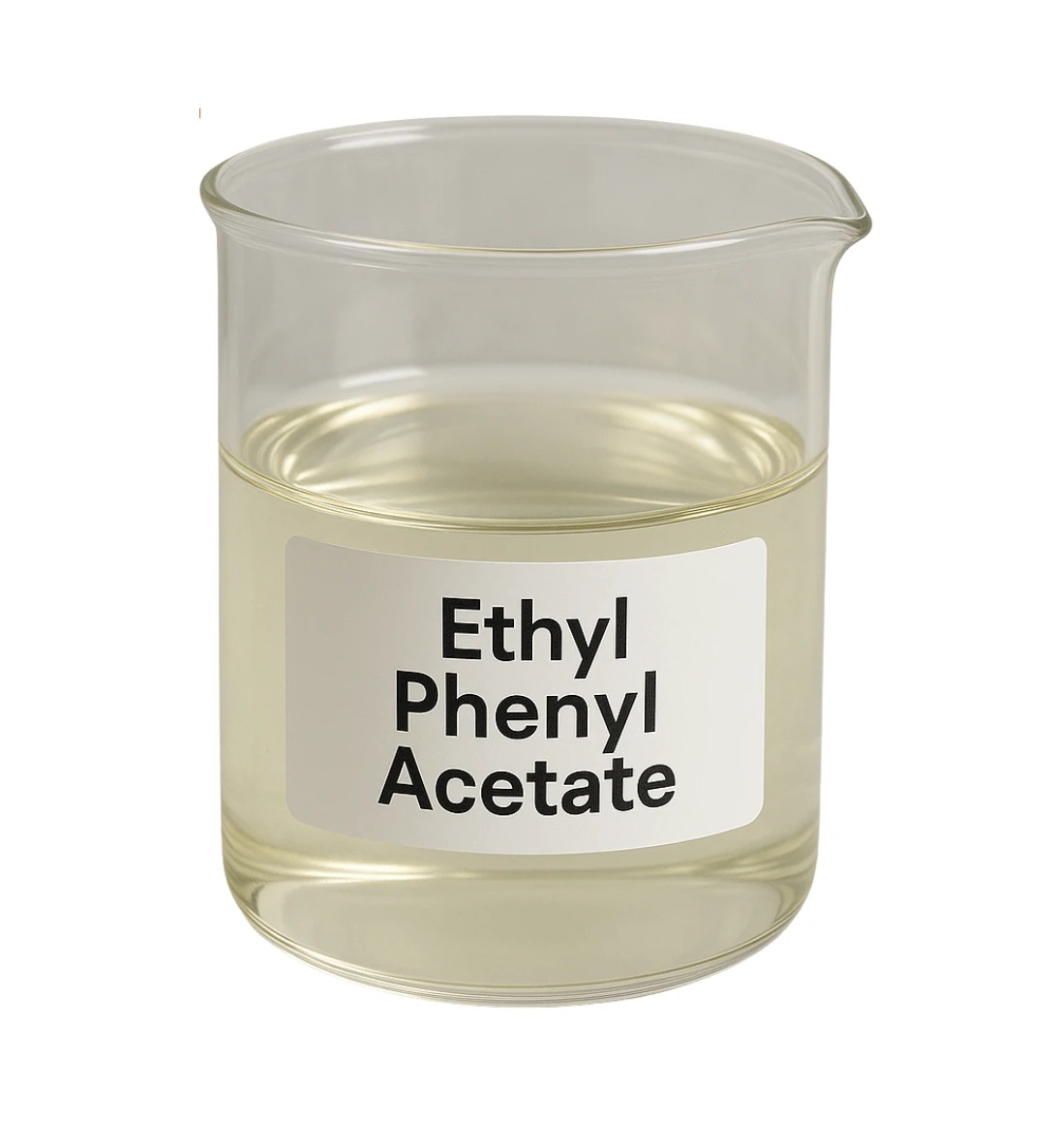
- Appearance: Colorless to pale yellow liquid
- Odor: Sweet, floral, resembling jasmine or fruity fragrances
- Boiling Point: Approximately 245°C
- Solubility: Slightly soluble in water; soluble in organic solvents like ethanol, ethyl acetate, and chloroform
The chemical structure consists of a phenyl group attached to a two-carbon chain ending with an ester functional group, which imparts its characteristic aroma and chemical reactivity.
Production Methods of Ethyl Phenylacetate
The synthesis of Ethyl Phenylacetate typically involves esterification reactions, where phenylacetic acid reacts with ethanol in the presence of an acid catalyst such as sulfuric acid. The process can be summarized as:
Reaction:
Phenylacetic Acid + Ethanol → Ethyl Phenylacetate + Water
Industrial Synthesis
In industrial settings, the esterification process is optimized for high yield and purity. Techniques include:
- Direct Esterification: Using phenylacetic acid and ethanol under reflux with a catalyst.
- Fischer Esterification: A common method involving heating the acid and alcohol with an acid catalyst to drive the reaction to completion.
Alternative Methods
- Transesterification: Using alternative esters or alcohols to produce Ethyl Phenylacetate.
- Biotechnological Methods: Employing microbial fermentation processes for more sustainable production, although less common.
Applications of Ethyl Phenylacetate
The versatility of Ethyl Phenylacetate makes it valuable across various industries. Its applications include:
1. Fragrance Industry
One of the most prominent uses of Ethyl Phenylacetate is in perfumery and fragrance formulations. Its sweet, floral aroma resembles jasmine and other floral scents, making it a popular ingredient in:
- Perfume compositions
- Aromatherapy products
- Scented cosmetics and lotions
2. Flavor Industry
Due to its sweet, fruity flavor profile, Ethyl Phenylacetate is used to enhance flavors in:
- Confectionery products
- Beverages
- Dairy products
- Chewing gums
3. Pharmaceutical Industry
In pharmaceuticals, Ethyl Phenylacetate serves as an intermediate in the synthesis of various drugs and active pharmaceutical ingredients (APIs). Its aromatic properties also make it useful in the formulation of medicinal scents.
What is the use of Phenylacetone
4. Chemical Manufacturing
It acts as a precursor in synthesizing other complex organic compounds, including:
- Esters
- Phenyl derivatives
- Specialty chemicals
5. Agricultural Sector
Some formulations use Ethyl Phenylacetate in pest control or as an attractant in traps due to its aromatic qualities.
Safety and Handling
While Ethyl Phenylacetate is generally regarded as safe when used appropriately, proper handling and safety measures are essential:
- Toxicity: Low toxicity but should be handled with care to avoid ingestion, inhalation, or skin contact.
- Storage: Store in a cool, dry, well-ventilated area away from direct sunlight.
- First Aid: In case of contact, rinse with water. Seek medical attention if inhaled or ingested in large quantities.
Refer to Material Safety Data Sheets (MSDS) for detailed safety protocols.
Environmental Impact
Ethyl Phenylacetate is biodegradable and has minimal environmental impact when used responsibly. Proper disposal methods should be followed to prevent contamination of water sources.
Market and Price Trends
The demand for Ethyl Phenylacetate is increasing, driven by growth in the fragrance and flavor industries. The price varies based on purity, quantity, and supplier location. Reputable suppliers like BMK Oil offer high-quality Ethyl Phenylacetate suitable for various industrial needs.
Where to Source High-Quality Ethyl Phenylacetate?
For manufacturers and formulators seeking reliable suppliers, it’s crucial to choose suppliers that adhere to quality standards. Companies like BMK Oil provide pharmaceutical-grade and industrial-grade Ethyl Phenylacetate, ensuring purity and consistency.
Frequently Asked Questions (FAQs)
1. What are the key properties of Ethyl Phenylacetate?
It is a colorless to pale yellow liquid with a sweet floral aroma, stable at room temperature, and soluble in organic solvents.
2. How is Ethyl Phenylacetate different from other esters?
Its unique floral scent and chemical structure make it distinct from other esters like ethyl acetate or methyl salicylate.
3. Can Ethyl Phenylacetate be used in food products?
Yes, in small quantities, it is approved for use as a flavor additive, especially in confectionery and beverages.
4. Is Ethyl Phenylacetate safe for human consumption?
When used within regulatory limits, it is considered safe; however, ingestion in large amounts should be avoided.
5. What industries utilize Ethyl Phenylacetate?
Fragrance, flavor, pharmaceuticals, chemical manufacturing, and agriculture.
Related Feedback and Insights
- The increasing demand for natural and floral fragrances has boosted the use of Ethyl Phenylacetate in perfumery.
- Sustainable production methods, including biotechnological approaches, are emerging to meet environmental standards.
- Quality control is paramount, especially in pharmaceutical applications, to ensure safety and efficacy.
Conclusion
Ethyl Phenylacetate is a vital organic ester with a broad spectrum of applications across different industries. Its distinctive aroma, chemical properties, and versatility make it a valuable compound for manufacturers and formulators. Whether used in creating alluring perfumes, enhancing flavors, or synthesizing complex chemicals, understanding its characteristics and applications can help leverage its full potential.
For those interested in sourcing high-quality Ethyl Phenylacetate, reputable suppliers like BMK Oil offer reliable, pure products suitable for various industrial needs.
If you have any questions or need further information about Ethyl Phenylacetate, feel free to leave your comments below!