
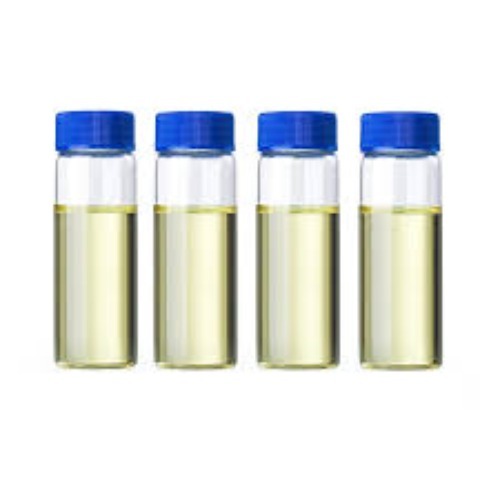
In the dynamic world of chemical compounds, 3-Methylphenylacetone stands out as a significant chemical intermediate with diverse industrial applications. Whether you’re a chemist, a researcher, or an industry professional, understanding the properties, synthesis, and uses of 3-Methylphenylacetone is essential. This comprehensive guide explores everything you need to know about 3-Methylphenylacetone, from its chemical structure to its role in various industries, supported by the latest trends and market insights.
What is 3-Methylphenylacetone?
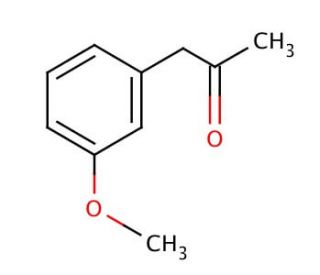
3-Methylphenylacetone is an organic chemical compound classified as a substituted phenylacetone. Its chemical formula is C10H12O, and it features a methyl group attached to the phenyl ring at the 3-position. This compound is known for its distinctive chemical properties and its role as a precursor in the synthesis of pharmaceuticals, agrochemicals, and specialty chemicals.
Chemical Structure and Properties
The molecular structure of 3-Methylphenylacetone includes a phenyl ring with a methyl substitution, linked to an acetone group. Its structure lends to unique reactivity patterns, making it valuable in various chemical syntheses.
| Property | Description |
|---|---|
| Molecular Formula | C10H12O |
| Molecular Weight | 148.20 g/mol |
| Appearance | Colorless to pale yellow liquid |
| Boiling Point | Approximately 210-215°C |
| Melting Point | Not well-defined; typically liquid at room temperature |
| Solubility | Slightly soluble in water; soluble in organic solvents |
The Significance of 3-Methylphenylacetone in Industry
Key Applications
- Pharmaceutical Industry: As an intermediate in synthesizing active pharmaceutical ingredients (APIs), especially in the production of various psychotropic and stimulant compounds.
- Agrochemical Sector: Used as a building block for creating agrochemicals that enhance crop yields and pest control.
- Chemical Manufacturing: Serves as a precursor for synthesizing specialty chemicals, fragrances, and flavors.
Market Trends and Demand
The global demand for 3-Methylphenylacetone is driven by its versatility and the expanding pharmaceutical and agrochemical markets. As research advances, new applications are emerging, further boosting its significance.
Synthesis and Production Methods
Understanding how 3-Methylphenylacetone is synthesized is crucial for manufacturers and researchers. The most common methods include:
1. Friedel-Crafts Acylation
This classical method involves the acylation of a methylated phenyl compound using acetyl chloride or acetic anhydride in the presence of a Lewis acid catalyst like aluminum chloride. This process yields 3-Methylphenylacetone with high purity.
2. Oxidative Methods
Oxidation of related precursor compounds, such as methylphenylethyl alcohols, can also produce 3-Methylphenylacetone through controlled oxidation reactions.
3. Modern Synthetic Routes
Recent advances utilize catalytic processes and green chemistry principles to improve yield, purity, and environmental impact.
Safety and Handling of 3-Methylphenylacetone
Due to its chemical nature, proper safety protocols are essential when handling 3-Methylphenylacetone.
- Toxicity: It can cause skin and eye irritation. Inhalation of vapors may lead to respiratory issues.
- Storage: Store in a cool, dry, well-ventilated area away from incompatible substances.
- Protective Measures: Use appropriate PPE including gloves, goggles, and lab coats.
Refer to Material Safety Data Sheets (MSDS) for detailed safety guidelines.
Regulatory and Compliance Aspects
The production and sale of 3-Methylphenylacetone are regulated by various international agencies to ensure safety, quality, and environmental standards.
- REACH Regulation (EU): Registration requirements for chemical substances.
- EPA (USA): Compliance with safety and environmental handling rules.
- Industry Standards: ISO certifications and Good Manufacturing Practices (GMP).
Manufacturers must ensure compliance to access global markets and maintain product integrity.
Market Analysis and Industry Insights
Global Market Overview
The global market for chemical intermediates, including 3-Methylphenylacetone, is projected to grow steadily owing to increased demand from pharmaceuticals and agrochemicals. Asia-Pacific remains a dominant region due to its manufacturing capacity and expanding chemical industry.
Key Players
Leading manufacturers and suppliers of 3-Methylphenylacetone include:
- BMK Oil & Chemical
- Sigma-Aldrich
- TCI Chemicals
- Alfa Aesar
- Acros Organics
Supply Chain Dynamics
Reliable sourcing and quality control are critical. Many suppliers, including BMK Oil & Chemical, offer high-purity grades suitable for sensitive applications.
How to Source High-Quality 3-Methylphenylacetone
When selecting a supplier, consider the following:
- Purity Levels: Opt for suppliers providing 99% or higher purity.
- Certifications: ISO, GMP, and other quality certifications.
- Pricing and Lead Time: Competitive rates with reliable delivery schedules.
- Customer Support: Technical assistance and regulatory guidance.
BMK Oil & Chemical is a reputable supplier specializing in oil chemicals and intermediates, including 3-Methylphenylacetone, offering quality products to global clients.
Applications in Research and Development
Pharmaceutical Synthesis
3-Methylphenylacetone is a crucial intermediate in synthesizing compounds like:
- Amphetamines
- Methamphetamines
- Other psychoactive substances
Its structural versatility allows for modifications leading to various pharmacologically active molecules.
Agrochemical Development
Used in the synthesis of herbicides, fungicides, and insecticides, aiding in sustainable agriculture.
Fragrance and Flavor Industry
Its derivatives contribute to flavoring agents and fragrance compounds, expanding its industrial reach.
Environmental Impact and Sustainability
The chemical industry faces increasing pressure to adopt sustainable practices. Green synthesis routes for 3-Methylphenylacetone are being developed, focusing on:
- Reducing hazardous waste
- Using catalytic processes
- Employing renewable feedstocks
These efforts aim to minimize environmental footprint while maintaining product quality.
Future Outlook and Trends
Emerging trends include:
- Green Chemistry: Eco-friendly synthesis methods
- Regulatory Tightening: Stricter compliance standards
- Market Expansion: Growing pharmaceuticals and agrochemicals sectors
- Technological Innovation: Advanced catalysis and process optimization
Investing in research and sustainable manufacturing will ensure continued relevance and growth of 3-Methylphenylacetone in the global market.
Conclusion
3-Methylphenylacetone is a vital chemical intermediate with extensive applications across pharmaceuticals, agrochemicals, and specialty chemicals. Its unique properties, combined with ongoing innovations in synthesis and green chemistry, position it as a key player in the chemical industry. Reliable sourcing, regulatory compliance, and environmental considerations are essential for manufacturers and end-users alike.
As the industry evolves, staying informed about market trends, safety protocols, and technological advancements will ensure optimal utilization of this important chemical compound.
References
- BMK Oil & Chemical Product Catalog
- PubChem Database – 3-Methylphenylacetone
- Safety Data Sheets (MSDS) for 3-Methylphenylacetone
- Industry Reports on Chemical Intermediates
- Regulatory Guidelines from EPA, REACH, and ISO Standards
Looking for high-quality 3-Methylphenylacetone?
Visit BMK Oil & Chemical for premium products and expert support.
This article is intended for informational purposes only. Always consult with qualified professionals for safety, regulatory, and technical advice.