
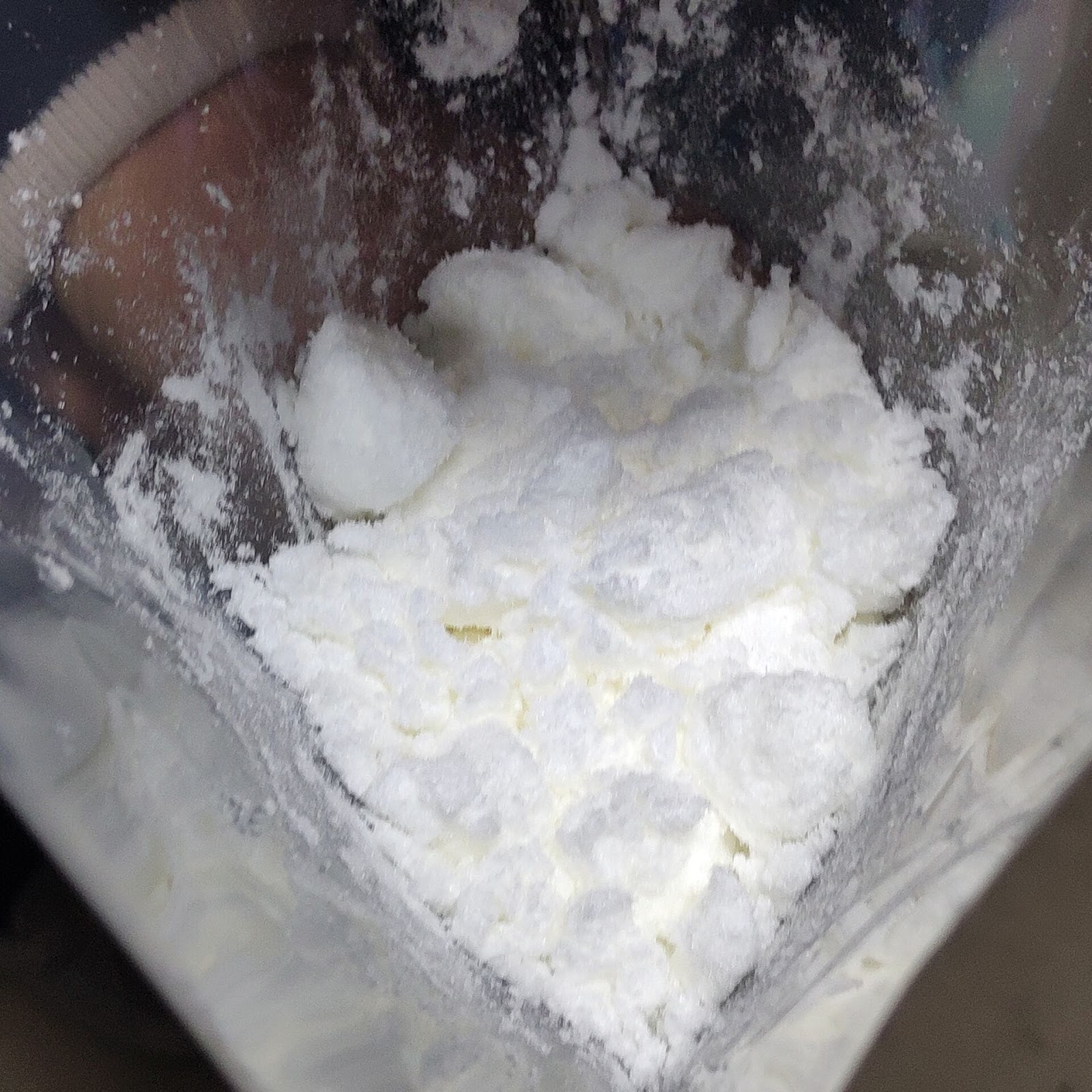
Methyl 2-phenylacetoacetate for Sale Near Me
Understanding the identity, characteristics, and regulatory status of specialized organic compounds is important for researchers, chemical professionals, laboratory personnel, and organizations working within the chemical industry.
Methyl 2-phenylacetoacetate is an organic chemical compound belonging to the broader family of beta-keto esters. Its chemical structure combines an aromatic phenyl group with a carbonyl-containing ester framework, making accurate identification and chemical documentation particularly important.
But what exactly is methyl 2-phenylacetoacetate? What distinguishes this compound from other organic chemicals? What information should professionals review before handling or evaluating it?
What Is Methyl 2-phenylacetoacetate?
Methyl 2-phenylacetoacetate also know as MAPA, Methyl α-acetylphenylacetate, Methyl 3-oxo-2-phenylbutanoate is an organic compound associated with the beta-keto ester family. It contains structural features characteristic of compounds incorporating both ketone and ester functional groups, together with an aromatic phenyl component. Methyl 2-phenylacetoacetate (CAS 16648-44-5), also known as MAPA, is available from specialized chemical and analytical reference standard suppliers strictly for research, forensic, or laboratory use
Beta-keto esters are an established category of organic compounds studied in organic chemistry because of their distinctive molecular structures and chemical behavior.
For chemical professionals, identifying a compound correctly requires more than recognizing its common name. Its Chemical Abstracts Service (CAS) Registry Number, molecular formula, structural representation, and verified safety documentation should also be considered.
Quick answer: Methyl 2-phenylacetoacetate is an organic beta-keto ester compound. Its identification and evaluation should be based on verified chemical identifiers, authoritative reference records, and current safety documentation.
Methyl 2-phenylacetoacetate Chemical Classification
Organic compounds are commonly classified according to their molecular structures and functional groups.
Methyl 2-phenylacetoacetate is associated with the beta-keto ester category. This classification refers to the presence of a ketone functional group and an ester functional group within the relevant molecular framework.
Three structural concepts are particularly important:
1. Phenyl group
The phenyl group is an aromatic structural component derived from benzene. It is commonly encountered in organic molecules and contributes to their overall molecular characteristics.
2. Ketone functional group
A ketone contains a carbonyl group bonded to two carbon-containing groups. Carbonyl functionality is an important feature in organic chemistry and chemical classification.
3. Ester functional group
Esters contain a carbonyl group connected to an oxygen atom that is bonded to another carbon-containing group. They are widely represented across organic chemistry, industrial chemistry, and chemical research.
Understanding these functional groups helps distinguish beta-keto esters from other organic compound categories.
What Are the General Characteristics of A-acetyl-benzeneacetic Acid?
When evaluating a specialized chemical compound, professionals should consider several categories of information.
Chemical identity
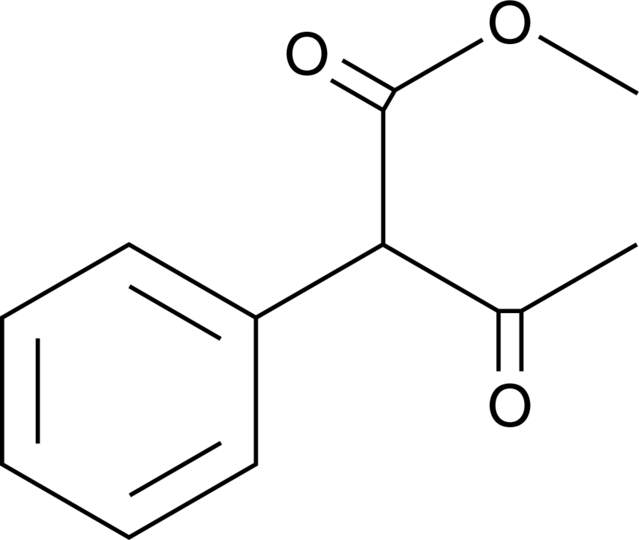
Synonyms: MAPA, Methyl α-acetylphenylacetate, ,
Formal Name: α-acetyl-benzeneacetic acid, methyl ester
CAS Number: 16648-44-5
Molecular Formula: C11H12O3
Formula Weight: 192.2
Purity: ≥98%
Formulation: A crystalline solid
SMILES: CC(C(C(OC)=O)C1=CC=CC=C1)=O
InChi Code: InChI=1S/C11H12O3/c1-8(12)10(11(13)14-2)9-6-4-3-5-7-9/h3-7,10H,1-2H3
InChi Key: CYSACHQWYQYLIG-UHFFFAOYSA-N
Storage: -20°C.
Chemical documentation
A properly maintained chemical record should include the applicable technical specification, batch identification, safety documentation, and relevant quality-control information.
This is especially important when different sources use alternative chemical names or when similar compounds have closely related identifiers.
Importance of Methyl A-acetylphenylacetate Accurate Chemical Identification
Chemical identification is not simply a technical formality. It affects multiple aspects of laboratory and industrial operations.
1. Better scientific accuracy
Correct chemical identifiers help researchers distinguish between compounds that may have similar names or related structures.
2. Reliable documentation
Consistent identification makes it easier to maintain technical records, safety documentation, and inventory information.
3. Improved workplace safety
Accurate identification allows personnel to consult the correct Safety Data Sheet (SDS), understand relevant hazards, and follow appropriate handling procedures.
4. Regulatory awareness
Certain chemical compounds may be subject to additional controls depending on their identity, intended use, destination, and applicable jurisdiction.
Verifying the regulatory status of a substance before any relevant commercial or laboratory activity is essential.
What Are The Intended Uses Of Methyl A-acetylphenylacetate
Methyl α-acetylphenylacetate (commonly abbreviated as MAPA; CAS 16648-44-5) is a chemical compound that has no recognized legitimate commercial, industrial, or therapeutic uses
Instead, it is classified globally as a “designer precursor” and its primary intended use is within illegal manufacturing. Its applications are outlined below:
1. Illicit Chemical Precursor (Primary Use)
MAPA is heavily utilized in clandestine laboratories to synthesize schedule II controlled substances. It serves as a close chemical relative to other restricted precursors (like APAAN and APAA) and was specifically introduced into the illicit market to circumvent international drug control laws. Its main chemical pathways include:
- The production of Phenylacetone (P2P): MAPA is easily converted via hydrolysis and decarboxylation into phenylacetone (also known as phenyl-2-propanone or benzyl methyl ketone), which is a critical intermediate drug chemical.
- The manufacture of Amphetamine and Methamphetamine: Clandestine operations use the derived P2P or process MAPA directly through methods like Leuckart synthesis or reductive amination to yield illicit amphetamines.
2. Forensic and Academic Research
Because of its prevalence in the illicit drug trade, legitimate chemical manufacturers produce MAPA strictly as an analytical reference standard. Its purposes in a legal setting include:
- Forensic Application: Used by law enforcement, customs, and toxicology laboratories to identify unknown seized substances and map chemical profiles.
- Impurity Profiling:
Safety Considerations and Responsible Chemical Handling
Chemical safety should always be considered before evaluating or handling a specialized organic compound.
A chemical’s general classification does not establish that it is harmless. Actual hazards must be determined using verified safety documentation.
Professionals should review the following information.
Safety Data Sheet (SDS)
The SDS should be obtained from a reliable source and checked against the exact chemical identity.
Important sections include:
- Section 2: Hazard identification.
- Section 4: First-aid measures.
- Section 5: Firefighting measures.
- Section 6: Accidental release measures.
- Section 7: Handling and storage.
- Section 8: Exposure controls and personal protection.
- Section 10: Stability and reactivity.
- Section 13: Disposal considerations.
- Section 14: Transport information.
- Section 15: Regulatory information.
Personal protective equipment
Appropriate protective equipment should be determined through a documented risk assessment and the applicable SDS.
Storage and inventory management
Chemical storage should follow verified compatibility information, applicable workplace requirements, and relevant local regulations.
Emergency preparedness
Organizations should maintain suitable procedures for accidental exposure, spills, fire incidents, and chemical waste management.
A critical point is that general information about a chemical should never replace its current, substance-specific SDS.
Regulatory Considerations Across International Markets
Chemical regulations are not identical worldwide.
A substance may be subject to different classification, registration, reporting, licensing, import, export, or transaction requirements depending on the jurisdiction.
Organizations evaluating chemical documentation should consider the following regulatory environments:
United States
The Environmental Protection Agency (EPA) administers several chemical-related regulatory programs, including the Toxic Substances Control Act (TSCA).
Other federal and state requirements may apply depending on the chemical’s classification and intended activities.
European Union
The European Chemicals Agency (ECHA) provides information relating to chemical registration, evaluation, authorization, and restriction under applicable European legislation.
Relevant frameworks include REACH and CLP.
United Kingdom
UK chemical compliance requirements should be checked through the appropriate government and regulatory authorities.
Businesses should not automatically assume that European Union requirements apply identically in the United Kingdom.
China
Chemical management requirements in China should be evaluated using applicable national regulations and relevant competent authorities.
India
Indian chemical compliance requirements depend on the substance, activity, and applicable legislation. Businesses should consult the relevant Indian regulatory authorities and qualified compliance professionals.
International compliance
For any chemical with potential precursor-control implications, additional verification may be necessary.
This can include checking applicable controlled-substance precursor lists, licensing requirements, end-use documentation, and international trade restrictions.
Regulatory status should never be inferred solely from a product name or a supplier’s description.
How to Verify Methyl 3-oxo-2-phenylbutanoate Chemical Information
One of the most common problems in chemical research is inconsistent information across commercial websites.
A responsible verification process should prioritize authoritative sources.
PubChem
PubChem, maintained by the U.S. National Library of Medicine, provides chemical information, identifiers, molecular records, and related scientific references.
Website: https://pubchem.ncbi.nlm.nih.gov/
European Chemicals Agency (ECHA)
ECHA provides regulatory and chemical classification information relevant to the European market.
Website: https://echa.europa.eu/
CAS
The Chemical Abstracts Service provides authoritative chemical substance identification and registry information.
Website: https://www.cas.org/
Government chemical safety resources
Depending on the jurisdiction, government agencies may provide additional information about chemical hazards, transportation, workplace safety, and regulatory obligations.
A reliable chemical reference should distinguish between verified facts, supplier-provided specifications, and information that remains unconfirmed.
Common Challenges When Researching Specialized Chemical Compounds
People researching less commonly documented chemicals frequently encounter several problems.
Conflicting chemical names
Different databases and suppliers may use alternative names like MAPA, Methyl α-acetylphenylacetate, Methyl 3-oxo-2-phenylbutanoate
The solution is to verify the chemical identifier and molecular structure rather than relying exclusively on a name.
Missing technical specifications
Some online descriptions provide only a chemical name without supporting analytical or technical documentation.
Professionals should distinguish between independently verified specifications and unsubstantiated claims.
Incomplete safety information
A general description is not an adequate substitute for a substance-specific SDS.
Always verify that the documentation corresponds to the exact compound and relevant batch or product.
Unclear regulatory status
Regulatory requirements can change and differ between jurisdictions.
Consult current official government sources rather than relying on outdated commercial articles.
Unverified commercial claims
A website’s description does not independently establish chemical identity, purity, quality, legal status, or suitability for a particular application.
Technical claims should be supported by appropriate documentation.
Frequently Asked Questions About Methyl 2-phenylacetoacetate
Methyl 2-phenylacetoacetate (also known as MAPA or methyl 3-oxo-2-phenylbutanoate) is a chemical ester and precursor used primarily as a regulated chemical intermediate. The frequently asked questions are as seen below
1. What is methyl 2-phenylacetoacetate?
Methyl 2-phenylacetoacetate is an organic compound associated with the beta-keto ester family. Its identity should be confirmed through authoritative chemical identifiers and structural records.
2. What type of chemical is methyl 2-phenylacetoacetate?
It is classified within the broader beta-keto ester category of organic compounds.
3. What does beta-keto ester mean?
A beta-keto ester is an organic compound containing ketone and ester functional groups in the characteristic beta-keto ester arrangement.
4. How can I identify methyl 2-phenylacetoacetate accurately?
Use its verified CAS Registry Number 16648-44-5, molecular formula, structural representation, and authoritative chemical database records. Check that these identifiers agree across the available documentation.
5. Where can I find reliable information about this compound?
Useful starting points include PubChem, CAS, ECHA, Bmk-oil.com and relevant government chemical databases, and verified technical documentation.
6. Is methyl 2-phenylacetoacetate safe to handle?
Safety cannot be established from its chemical name alone. Consult the correct SDS and conduct a substance-specific workplace risk assessment before handling it.
7. Does methyl 2-phenylacetoacetate have regulatory restrictions?
Potential regulatory controls depend on the exact substance, jurisdiction, intended activity, and applicable chemical or precursor-control legislation. Official regulatory lists should be consulted.
8. Why is a Safety Data Sheet important?
An SDS provides essential information about chemical hazards, first aid, firefighting, accidental releases, storage, protective equipment, and disposal.
9. Are chemical names and CAS numbers interchangeable?
No. Chemical names describe substances, while CAS Registry Number 16648-44-5 provide unique registry identifiers. Both should be checked against the same verified chemical record.
10. Can commercial website descriptions be treated as scientific references?
Not automatically. Commercial descriptions should be evaluated against independent chemical databases, official regulatory information, and appropriate technical documentation.
Looking To Buy Methyl 2-phenylacetoacetate Powder Online
Understanding what methyl 2-phenylacetoacetate is requires more than knowing its chemical name. Accurate identification, structural classification, safety documentation, and regulatory awareness are all important parts of responsible chemical information management.
For researchers, laboratories, and chemical industry professionals, the most reliable approach is to verify chemical identifiers through established scientific databases, consult the relevant SDS, and review applicable national and international regulations.
Reliable chemical information should always prioritize scientific accuracy, transparency, and responsible compliance.
Disclaimer: This article is intended for general educational and chemical-information purposes. It does not constitute chemical handling, legal, regulatory, or professional safety advice. Regulatory requirements should be verified with the relevant competent authorities before undertaking any regulated activity.