
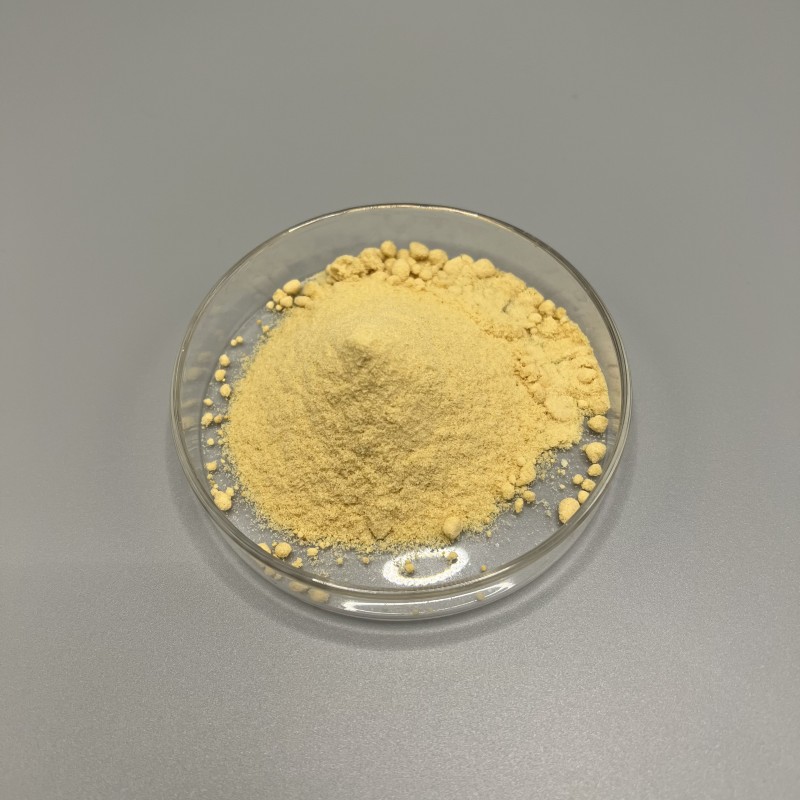
Description
Pmk Powder
Pmk Powder also known as PMK ethyl glycidate , piperonyl methyl ketone (MDP2P), which is a chemical compound used as a precursor in the synthesis of stimulants, including MDMA. It is important to note that PMK is regulated as a List I chemical in the United States due to its association with the manufacture of controlled substances
What is PMK Powder?
PMK powder is a chemical compound that has gained attention in various circles. It is often used in organic synthesis. This compound serves as a precursor in the production of several substances. Understanding its roles can be important for experimental chemistry.
In the lab, PMK powder is valued for its versatility. Chemists use it for creating different chemical reactions. It also allows the synthesis of more complex molecules. However, with its use comes significant responsibility. Ensuring safety and proper handling is crucial. Mishandling this compound could lead to unwanted consequences.
Chemical Composition and Properties of PMK Powder
PMK powder, or para-methoxyamphetamine or PMK ethyl glycidate, is an organic compound known for its unique chemical properties. It consists of a methoxy group attached to an aromatic ring. This structure allows it to interact with various chemical environments. PMK’s stability and reactivity make it useful in specific organic syntheses. However, its exact applications might not be as widely discussed. (Bmk Oil Center)
In laboratory settings, PMK powder serves as an intermediate in the synthesis of various compounds. Its role is crucial in producing certain chemicals that are important in research. The melting point and boiling point of PMK provide insight into its physical state under different temperatures. Responsible handling is essential due to its reactive nature. There are challenges in managing safety and ensuring proper storage conditions. Basic knowledge of its properties is often overlooked in experimental planning.
PMK Ethyl Glycidate Properties

Formal Name: 3-(1,3-benzodioxol-5-yl)-2-methyl-2-oxiranecarboxylic acid, ethyl ester
CAS Number: 28578-16-7
Molecular Formula: C13H14O5
Formula Weight: 250.3
Purity: ≥98%
Formulation: A 10 mg/ml solution in acetonitrile
Solubility: DMF: 15 mg/ml
DMSO: 30 mg/ml
Ethanol: 10 mg/ml
PBS (pH 7.2): 1 mg/ml
λmax: 245, 288 nm
SMILES: O=C(OCC)C1(C)C(O1)C2=CC(OCO3)=C3C=C2
InChi Code: InChI=1S/C13H14O5/c1-3-15-12(14)13(2)11(18-13)8-4-5-9-10(6-8)17-7-16-9/h4-6,11H,3,7H2,1-2H3
InChi Key: BRILFEZHPXQINW-UHFFFAOYSA-N
Common Applications of PMK Powder in Various Industries
PMK powder has gained attention in various industries due to its unique properties. In the pharmaceutical sector, it serves as a crucial intermediate in synthesizing different compounds. This usage highlights its importance in drug discovery and production processes. Researchers often utilize PMK powder to formulate innovative solutions tailored to specific medical needs.
In the realm of chemical manufacturing, PMK powder is frequently employed in the production of specialty chemicals. These chemicals find applications in paints, coatings, and adhesives. The versatility of PMK powder allows manufacturers to create products with enhanced performance and durability. However, the complexity of managing its applications can pose challenges for some companies.
Moreover, interest in PMK powder is evident in the field of materials science. Its properties can contribute to the development of advanced materials with desirable characteristics. For instance, enhancing material strength and flexibility is possible with careful integration of PMK powder. Yet, ensuring consistent quality and uniformity in production remains a frequent struggle for many professionals. The journey toward optimizing its use in different fields will require ongoing collaboration and innovation. 2-Phenylethyl bromide
Shipping & Storage Information
Download most recent Certificate of Analysis for this product


Reviews
There are no reviews yet.