
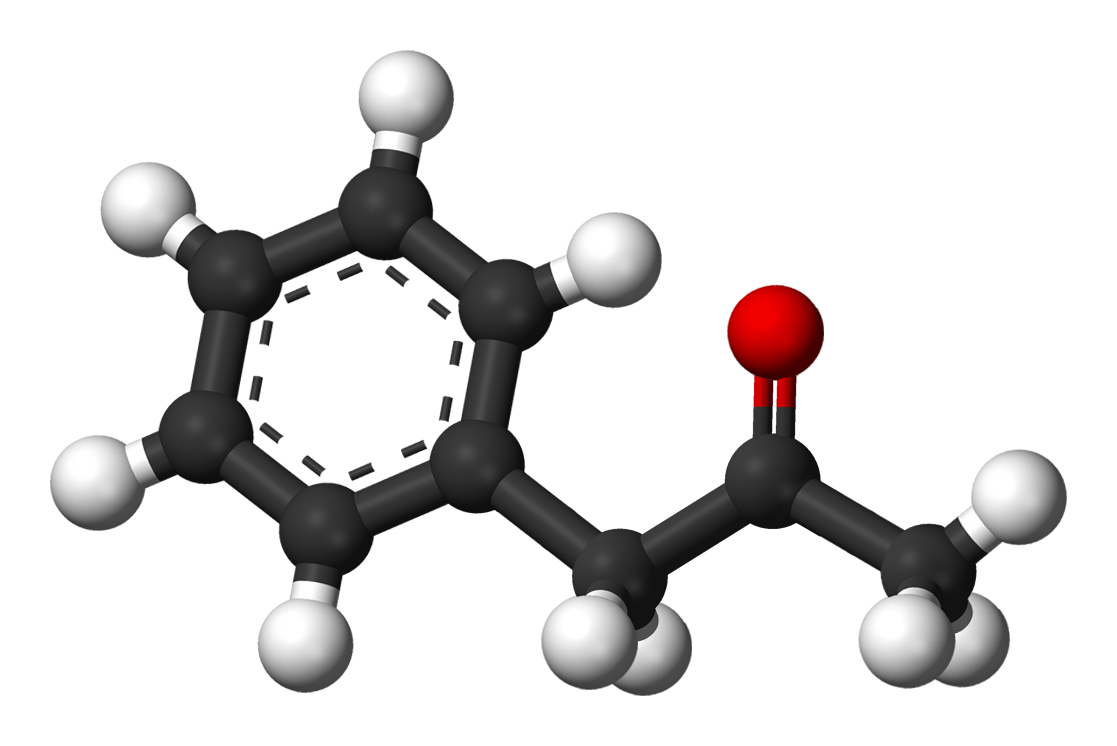
When it comes to chemical compounds in the pharmaceutical and manufacturing sectors, phenylacetone derivatives have garnered significant attention due to their versatile applications. Whether you’re a student, researcher, or industry professional, understanding these compounds can open doors to innovative solutions and advancements. In this blog post, we will delve deeper into the world of phenylacetone derivatives, their synthesis, applications, and why they matter in today’s scientific landscape.
What Are Phenylacetone Derivatives?
Phenylacetone derivatives are chemical compounds that share a related molecular framework with phenylacetone also known as 1-phenylpropan-2-one an aromatic ketone with the molecular formula C9H10O but contain structural variations. In organic chemistry, modifying a parent compound can create molecules with different physical, chemical, or analytical properties.
Researchers commonly examine derivatives of organic molecules to understand:
- Structure–property relationships
- Chemical stability
- Analytical identification methods
- Reaction behavior
- Potential laboratory applications
A well-optimized educational article should explain terminology clearly while avoiding unnecessary complexity.
Why Are Phenylacetone Derivatives Studied?
Scientific interest in derivatives often comes from the ability to understand how molecular changes affect chemical characteristics.
Common research motivations include:
- Studying organic reaction mechanisms
- Improving analytical understanding
- Comparing molecular structures
- Developing knowledge of chemical behavior
- Supporting academic and industrial research
The Importance of Phenylacetone Derivatives
1. Pharmaceutical Applications
One of the most notable uses of phenylacetone derivatives is in the pharmaceutical industry. These compounds often serve as intermediates in the synthesis of several medications, including those used for pain relief, anxiety treatment, and even antibiotics. For instance, some derivatives can be manipulated to develop new formulations or enhance the efficacy of existing drugs.
2. Synthesis of Amphetamines
Perhaps one of the most infamous applications of phenylacetone derivatives is in the synthesis of amphetamines. While this application raises serious concerns regarding legality and misuse, it underlines the importance of these compounds in organic chemistry and their ability to yield psychoactive substances. Understanding the chemistry behind these derivatives is essential to regulatory discussions and safety measures.
3. Industrial Uses
Outside the realm of pharmaceuticals, phenylacetone derivatives are also valuable in industrial applications. They are commonly used as solvents, plasticizers, and in the manufacture of fragrances and flavoring agents. Their unique chemical properties make them suitable for a variety of synthesis pathways, thus playing a crucial role in the production of everyday items.
Synthesis of Phenylacetone Derivatives
The synthesis of phenylacetone derivatives can be achieved through several methods, including:
1. Friedel-Crafts Acylation
This common method involves the reaction of an aromatic compound with an acyl chloride in the presence of a Lewis acid catalyst. The reaction yields acylated products that can further undergo various transformations to generate phenylacetone derivatives.
2. Oxidative Side Reactions
Phenylacetone can also be oxidized to yield various derivatives. This can involve the use of oxidizing agents like potassium permanganate or chromium trioxide, providing access to a wide range of functionalized products.
3. Reductive Amination
This process is particularly useful for introducing amine groups into the phenylacetone structure, resulting in derivatives that can have significantly different biological activities.
The Future of Phenylacetone Derivatives
As research continues, the potential of phenylacetone derivatives will only grow. With the rise of green chemistry and sustainable practices, chemists are increasingly looking for eco-friendly synthesis routes that reduce waste and harness renewable resources. Novel derivatives could emerge that challenge existing methods and applications, making this an exciting field of study.
Frequently Asked Questions About Phenylacetone Derivatives
What does the term Phenylacetone Derivatives mean?
Phenylacetone Derivatives refers to compounds structurally related to phenylacetone that contain chemical modifications. These compounds are studied in chemistry to understand molecular relationships and properties.
Are Phenylacetone Derivatives used in scientific research?
Chemically related derivatives may be examined in academic and industrial research contexts depending on their structure, classification, and regulatory status.
Why is Phenylacetone information important online?
Phenylacetone accurate scientific information helps researchers, students, and professionals understand complex topics while preventing misinformation.
How can we buy Phenylacetone Online?
You can buy phenylacetone online directly from bmk oil center website for top quality and purity demonstrating authority and trust.
Conclusion
Phenylacetone derivatives are much more than mere chemical compounds—they play crucial roles across various industries, especially pharmaceuticals and manufacturing. Understanding their significance and the methods of synthesis can provide insights into future trends and innovations. As research progresses and new applications are discovered, the importance of these compounds in science and industry will only become more pronounced.
Call to Action
If you’re interested in delving deeper into the world of phenylacetone derivatives, consider subscribing to our blog for the latest updates on chemical developments and applications. Whether you are in academia, industry, or simply curious about chemistry, we’d love to share our insights with you!