
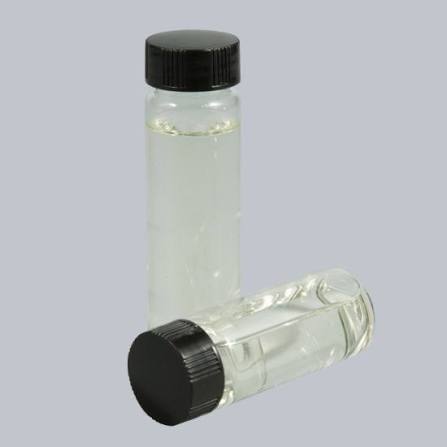
Phenylacetone, also known as P2P (phenyl-2-propanone), is a significant chemical compound with wide-ranging applications across various industries. Its unique chemical properties make it a crucial precursor in pharmaceutical manufacturing, especially in the synthesis of certain medications. As a chemical compound, phenylacetone has garnered attention not only for its industrial importance but also for the regulatory and safety considerations surrounding its production and use.
In this detailed guide, we will explore everything you need to know about phenylacetone—from its chemical properties and industrial applications to sourcing and safety protocols. Whether you’re a chemical engineer, a pharmaceutical professional, or a researcher, understanding phenylacetone’s role in modern industry is essential.
What Is Phenylacetone? Chemical Properties and Uses
Chemical Structure and Properties
Phenylacetone (P2P) is an organic compound with the molecular formula C9H10O. It features a phenyl group attached to a ketone functional group, giving it the chemical structure C6H5-CH2-CO-CH3. Its physical properties include:
- Appearance: Colorless to pale yellow liquid
- Boiling Point: Approximately 204°C
- Melting Point: -17°C
- Solubility: Soluble in organic solvents like ethanol, ether, and chloroform
Primary Uses of Phenylacetone
Phenylacetone’s primary significance lies in its role as a chemical intermediate. Its main applications include:
- Pharmaceutical Manufacturing: Used as a precursor in the synthesis of certain medications, notably in the production of controlled substances like methamphetamine and amphetamine.
- Chemical Research: Utilized in organic synthesis and research laboratories for developing new compounds.
- Industrial Processes: Employed in the manufacture of fragrances and flavorings, although this is less common.
The Role of Phenylacetone in Industry
Industrial Significance
Phenylacetone’s importance in industry stems from its role as a building block in complex chemical syntheses. Its ability to facilitate the production of psychoactive substances has historically made it a target for regulation, but its legitimate industrial applications continue to be vital.
Key Industries Utilizing Phenylacetone
- Pharmaceutical Industry: For synthesizing active pharmaceutical ingredients (APIs).
- Chemical Manufacturing: As an intermediate in producing dyes, fragrances, and flavorings.
- Research and Development: In laboratories studying new organic compounds.
Pharmaceutical Applications of Phenylacetone
Synthesis of Amphetamines
One of the most well-known applications of phenylacetone is in the synthesis of amphetamine-type stimulants. In illicit contexts, P2P serves as a precursor for methamphetamine production. However, in legitimate pharmaceutical manufacturing, controlled synthesis processes are employed to produce medications for medical use.
Medical Research and Development
Research laboratories utilize phenylacetone to develop new therapeutic compounds, leveraging its chemical reactivity and functional groups.
Phenylacetone Synthesis and Production Methods
Chemical Synthesis Pathways
Phenylacetone can be synthesized through various methods, including:
- Friedel-Crafts Acylation: Reacting benzene with acetic acid derivatives in the presence of a catalyst.
- Oxidation of Phenylpropanol: Using chemical oxidants to convert phenylpropanol into phenylacetone.
- Catalytic Methods: Employing modern catalytic processes for higher purity and yield.
Commercial Production Considerations
Producing phenylacetone at an industrial scale requires strict adherence to safety and quality standards. Suppliers must ensure product purity to meet regulatory standards for pharmaceutical or industrial use.
Legal and Regulatory Aspects of Phenylacetone
Regulatory Framework
Due to its role as a precursor in illicit drug synthesis, phenylacetone is classified under strict regulatory controls in many countries. Manufacturers and suppliers must comply with drug enforcement laws, licensing requirements, and import/export regulations.
Ensuring Legal Compliance
Legitimate suppliers operate under licenses issued by regulatory authorities, adhering to strict documentation and safety protocols. Buyers should verify supplier credentials and ensure compliance with local laws to avoid legal complications. Bmk oil for sale
Safety and Handling of Phenylacetone
Safety Precautions
Handling phenylacetone necessitates proper safety measures, including:
- Using appropriate personal protective equipment (PPE)
- Working in well-ventilated areas or fume hoods
- Avoiding skin and eye contact
- Proper storage in labeled, secure containers
Toxicity and Environmental Impact
While phenylacetone is useful, it can be hazardous if mishandled. Its toxicity requires careful management to prevent environmental contamination or health hazards.
Buying Phenylacetone: Market Overview and Considerations
Market Dynamics
The global market for phenylacetone is influenced by regulatory controls, industrial demand, and supply chain factors. Reliable suppliers are essential to ensure product quality, purity, and legal compliance.
Factors to Consider When Purchasing
- Supplier Credentials: Verify licensing and certifications.
- Product Purity: Ensure high purity levels for industrial or pharmaceutical use.
- Pricing and Delivery: Balance cost with quality and delivery timelines.
- Regulatory Compliance: Confirm adherence to legal standards.
Phenylacetone in the Context of P2P Oil
Understanding P2P Oil
P2P oil, or phenyl-2-propanone oil, is a concentrated form of phenylacetone used in various industrial applications. Its purity and quality are critical for safe and effective use.
Connection to Phenylacetone
P2P oil is essentially a liquid form of phenylacetone, often sourced from reputable suppliers to ensure quality. It plays a role in chemical synthesis processes, including pharmaceutical manufacturing and research.
How to Choose a Reliable Supplier for Phenylacetone
Key Criteria
- Legal Licensing: Ensure the supplier holds the necessary licenses and permits.
- Quality Assurance: Look for certifications and purity reports.
- Reputation: Research supplier reviews and industry reputation.
- Customer Support: Availability of technical support and responsive communication.
- Compliance: Adherence to international and local regulations.
Recommended Practices
- Request comprehensive product documentation.
- Conduct quality testing upon receipt.
- Maintain transparency and open communication with suppliers.
Future Trends and Developments in Phenylacetone
Advances in Synthesis Technologies
Emerging catalytic and green chemistry methods aim to produce phenylacetone more efficiently and sustainably.
Regulatory Landscape Evolution
Ongoing regulatory adjustments may influence production and distribution channels, emphasizing compliance and safety.
Market Expansion
Growing pharmaceutical research and industrial applications could expand the demand for high-quality phenylacetone globally.
Conclusion: The Importance of Phenylacetone in Modern Industry
Phenylacetone remains a vital chemical compound with diverse applications across pharmaceuticals, chemical manufacturing, and research. Its role as a precursor in synthesizing therapeutic agents underscores its significance in advancing medical science. However, due to regulatory and safety considerations, responsible sourcing and handling are paramount.
Whether you’re involved in industrial synthesis, pharmaceutical development, or research, understanding phenylacetone’s properties, applications, and legal landscape is essential for ensuring safe and compliant operations.
For high-quality phenylacetone and P2P oil, consider trusted suppliers committed to safety and compliance. Explore options and ensure your sourcing aligns with legal standards to harness the full potential of this important chemical compound.